MFG
Managed IT, cybersecurity, infrastructure, backup, virtualization and technical support for organizations that depend on their systems to remain productive.
Understand the business, environment, requirements, constraints, risks and priorities.
Design support, infrastructure, security and recovery as one practical operating model.
Deploy, migrate and improve systems while protecting business continuity.
Support users, monitor systems, troubleshoot problems and adapt as requirements change.
Technology should support the business, not become another problem to manage. GDP Support can function as your IT department or supplement existing internal resources.
Remote and onsite support, workstations, servers, networks, monitoring, patch management, troubleshooting, user onboarding and offboarding, vendor coordination and technology planning.
Endpoint detection and response, MFA, identity protection, patching, segmentation, firewall security, privileged access, secure remote administration, backup isolation and recovery planning.
Veeam, local and offsite protection, immutable backup, virtual-machine and server recovery, restore testing, documented procedures, recovery priorities and business continuity planning.
Windows Server, Linux, physical servers, virtual machines, hypervisors, storage, networking, consolidation, hardware refresh, virtualization migrations and infrastructure modernization.
Switching, routing, firewalls, Wi-Fi, VLANs, VPN, segmentation, remote connectivity, troubleshooting and new-facility infrastructure engineered as a system.
Microsoft 365, Windows, Teams, SharePoint, identity, MFA, permissions, file services, Microsoft security configuration and third-party application support.
Day-to-day support backed by experienced infrastructure and engineering resources.
The objective is not simply to close tickets. It is to solve the immediate problem, identify recurring causes, maintain the underlying systems and reduce the interruptions that keep employees from doing their jobs.
GDP Support follows problems across workstation, application, server, network, Internet and vendor boundaries until the actual cause is understood. When another provider is involved, GDP Support can coordinate the technical work without claiming control over that vendor.
Monitoring, patching, endpoint and server management, storage and backup review, security monitoring, documentation and lifecycle planning help identify developing issues. Proactive management reduces risk; it does not promise to eliminate downtime.
Remote support resolves many problems quickly. Onsite capability remains essential for cabling, networking, servers, manufacturing equipment, facility systems and physical infrastructure that cannot be handled effectively through a remote session.
Your employees shouldn't have to determine which vendor owns the problem before they can get help.
GDP Support supports Microsoft-based environments from employee desktops through servers, identity, collaboration and cloud services—including Microsoft 365, Windows 10/11, Windows Server, Active Directory, Entra ID, Teams, SharePoint, OneDrive, Exchange Online, file and print services, Group Policy and Microsoft migrations.
Specialized applications can cross workstation, operating-system, database, DNS, firewall, network, Internet, authentication, permissions and storage boundaries. GDP Support provides the infrastructure context and works with software or equipment vendors when appropriate.
User accounts are part of the security perimeter. Access should follow the job—and end when the job does.
The accounts with the greatest power should receive the greatest protection.
Prevention matters. Resilience assumes prevention may eventually fail.
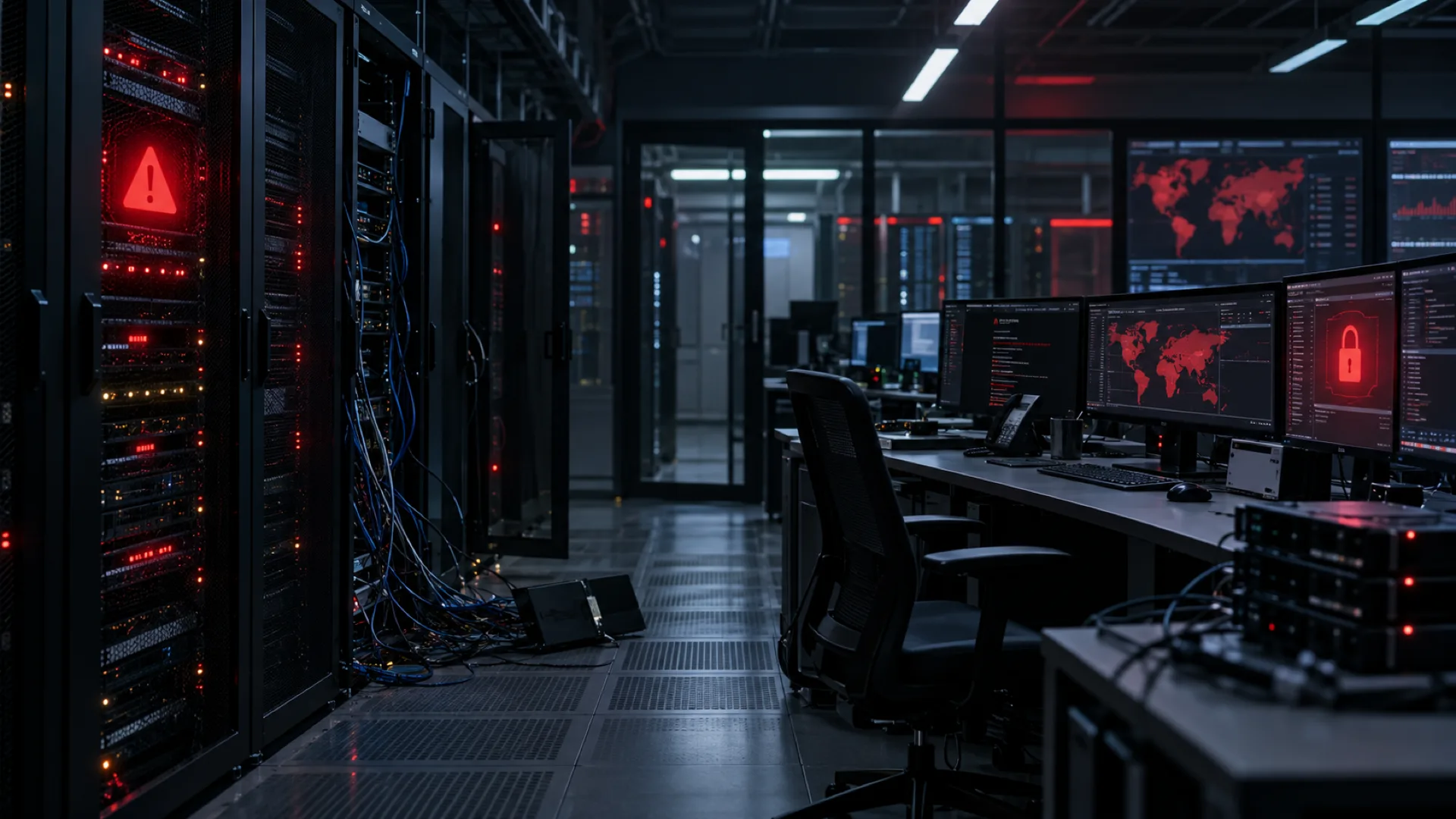
Cybersecurity involves much more than antivirus. Identity, endpoints, networks, administrative access, backup and recovery must work together so one compromised account or device does not automatically become an organization-wide interruption.
Endpoint detection and response, firewall security, patch management and secure configuration reduce common paths into the environment.
MFA, identity protection, privileged-access controls and disciplined user lifecycle management limit what compromised credentials can reach.
Network segmentation, controlled connectivity and secure remote administration make it harder for an incident to move between users, servers and production systems.
Backup isolation, immutable copies, restore testing and protected administration help keep recovery options available during a ransomware event.
Recovery priorities, documented procedures and business-continuity planning focus effort on the systems operations need first.
GDP Support approaches security as an operating discipline tied to the business and its actual risks—not as a collection of disconnected products or fear-based claims.
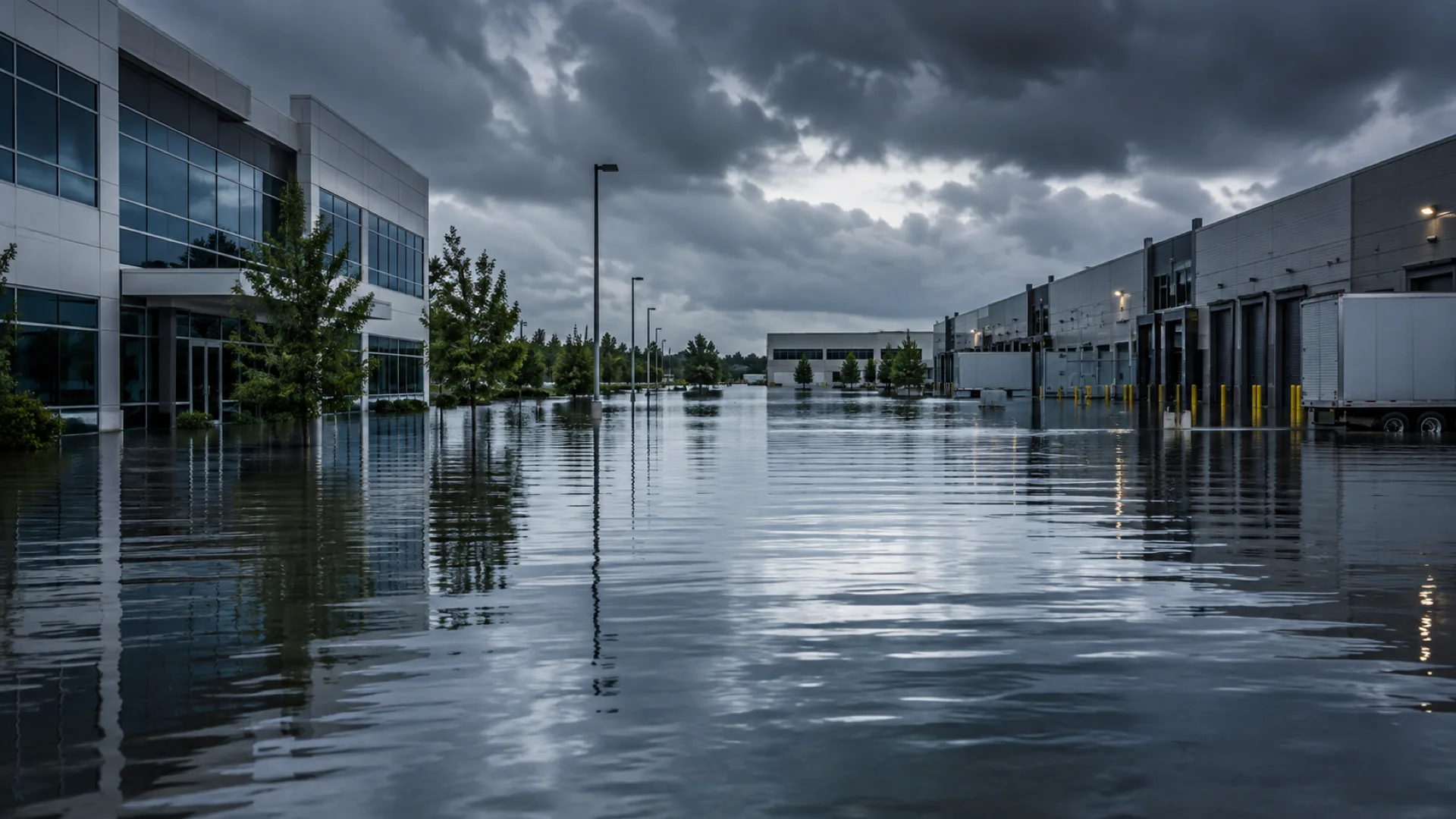
Tornado. Hurricane. Flood. Ransomware. Earthquake. Whatever causes the outage, recovery starts before the disaster occurs.
Prepare. Respond. Recover.
Build a Stronger Tomorrow →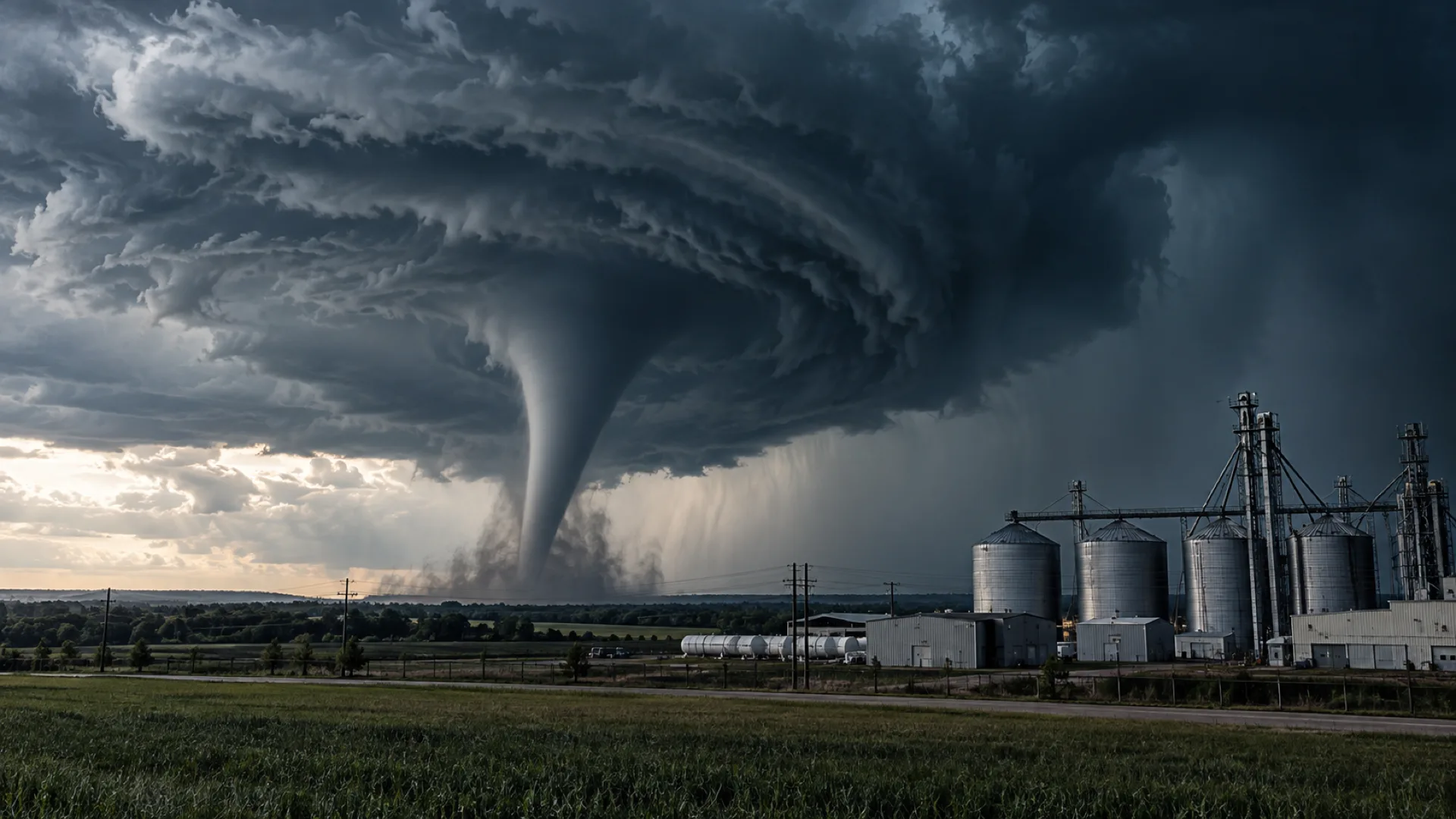
The first attempt to restore a critical system should not occur during an actual disaster.
Disruption can begin with severe weather, ransomware, hardware or infrastructure failure, or human error. Successful backup jobs are not the same thing as tested recovery capability. GDP Support designs Veeam, local and offsite protection, immutable and protected backup, server and virtual-machine recovery, restore testing, recovery priorities, documented procedures and business continuity planning.
In one ransomware incident involving a compromised Microsoft server environment, GDP Support restored the systems required for operations in approximately four hours. Complete restoration took approximately 32 hours and included terabytes of backup data plus additional non-production-critical systems and images. This historical result reflects that specific environment and circumstances, not a guaranteed recovery time.
Recovery is not about restoring everything first. It is about restoring what the business needs first.
The question is not whether VMware suddenly stopped working. It is whether its licensing, packaging, subscription model and long-term economics still fit your organization.
GDP Support evaluates the technical requirements, migration cost and risk before an organization makes an expensive migration—or an expensive decision to remain where it is.
When VMware remains technically and financially appropriate, maintain, secure, back up and support the existing environment.
Reduce complexity, consolidate infrastructure, reconsider requirements or redesign portions of the environment without abandoning VMware completely.
Where VMware no longer fits, design and execute a controlled migration to an appropriate platform.
Don't migrate because VMware changed. Migrate because the numbers, requirements and risk analysis say you should. Don't remain on VMware simply because migration looks difficult.
Proxmox VE, Microsoft Hyper-V, Nutanix and other platforms can each be appropriate. Selection depends on workload, scale, storage, clustering, backup, hardware, support requirements, staff capabilities and business objectives.
GDP Support has experience deploying Proxmox and treats it as a serious virtualization platform—not simply “free VMware.”
The assessment covers inventory, utilization, storage, networking, VLANs, backup, disaster recovery, high availability, compatibility, workloads, dependencies, licensing, recovery objectives, maintenance windows, sequencing and rollback planning.
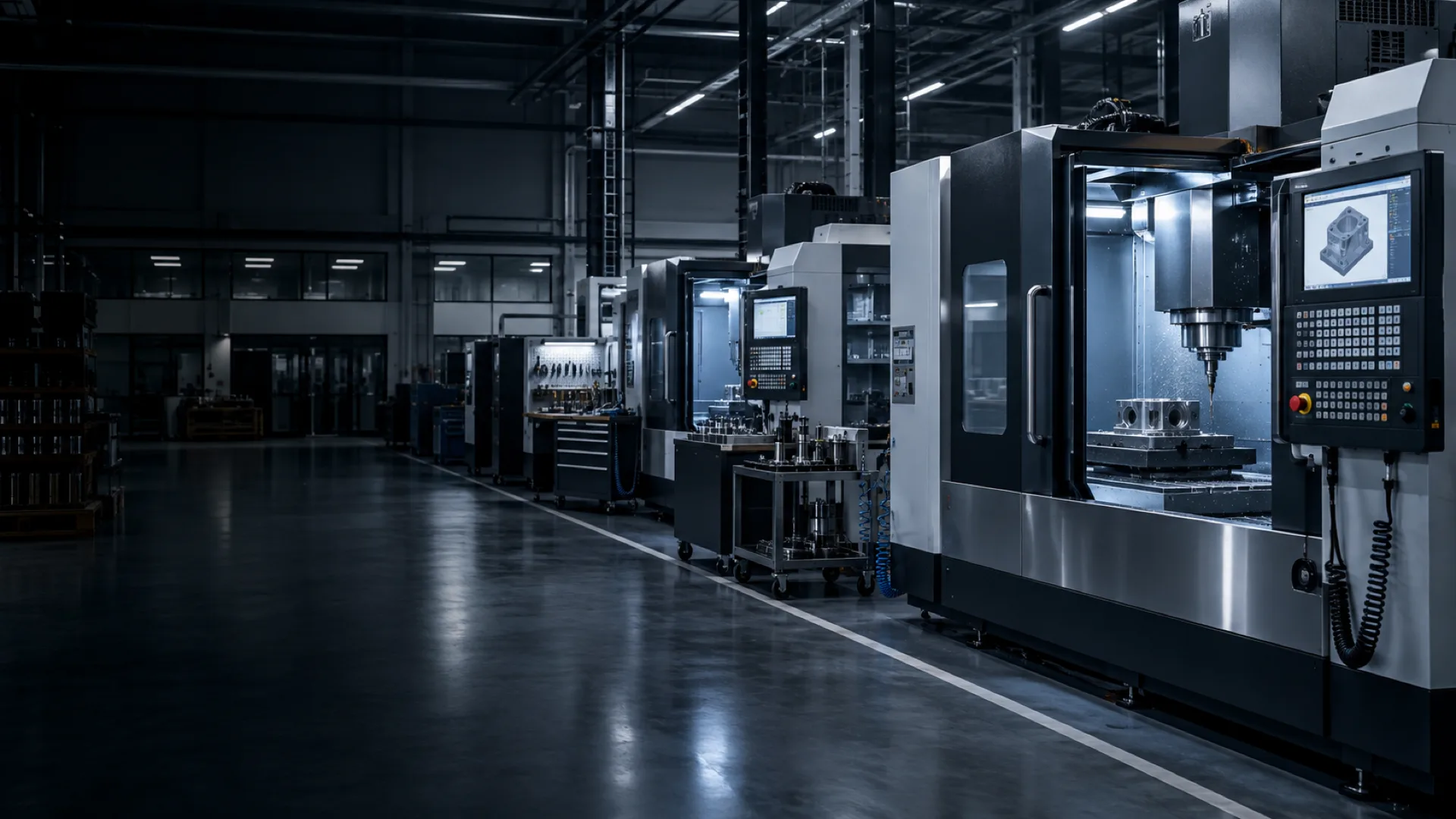
A production workstation may depend on specialized industrial software, hardware interfaces, vendor-controlled equipment and legacy Windows 95, Windows XP, DOS or Linux-based systems. Replacing it is not always as simple as buying another PC.
GDP Support has been brought into manufacturing environments after malware reached production-related systems. In one such incident, the resulting disruption involved approximately $120,000 in manufacturer support costs and weeks of downtime. This historical example reinforces the importance of isolating and protecting legacy manufacturing systems before an incident occurs; it does not imply guaranteed prevention or savings.
If the machine cannot be modernized, the environment around it must be engineered to protect it.
Protect. Isolate. Recover.
Protection is designed around the operational requirements of each environment. Proprietary isolation and security implementation details are not disclosed.
Server replacements, storage upgrades, network redesigns, Microsoft migrations, facility moves, backup redesign and security improvements planned around continuity and risk reduction.
Your employees shouldn't have to determine which vendor owns the problem before they can get help.
Enterprise experience does not mean imposing unnecessary enterprise complexity or expense. It means applying the right disciplines at the appropriate scale.
Tell us what is not working, what needs to change or what you are planning next.
Discuss Your IT →